
How the Port of Xiamen powers global supply chains.
From the bustling harbours of ancient Quanzhou, where wooden junks embarked on the Maritime Silk Road, to the modern skyline of today’s Xiamen, backed by one of the most advanced ports on earth, Fujian Province has always been China’s gateway to the world. Today, that gateway is the Port of Xiamen, a colossal, humming engine of global trade and a masterclass in modern logistics.
If you have ever seen a container ship glide across the horizon, there is a strong chance its journey, or the goods it carries, was touched by the efficiency of Xiamen. This isn’t just a port; it’s a critical nexus where the manufacturing might of China connects with the demands of the entire planet.
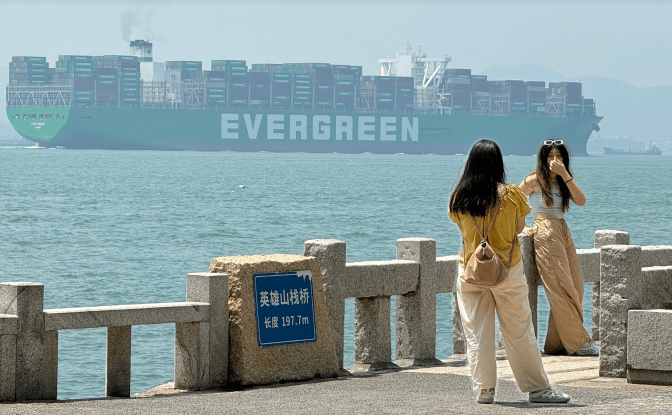
A Strategic Powerhouse on the Taiwan Strait
Geography is destiny in the shipping world, and Xiamen’s location is its first and greatest asset. Nestled on the western side of the Taiwan Strait, it is sheltered from the worst of the open ocean’s fury and sits astride one of the world’s busiest shipping lanes.
This prime position makes it the natural export hub for the industrial powerhouses of its immediate hinterland—Fujian Province and Jiangxi Province. From here, products ranging from advanced electronics and machinery to textiles and footwear begin their global journey. But its influence extends far beyond; it serves as a vital transshipment hub for cargo from all over Asia, consolidating containers onto the massive megaships that ply the main East-West trade routes.
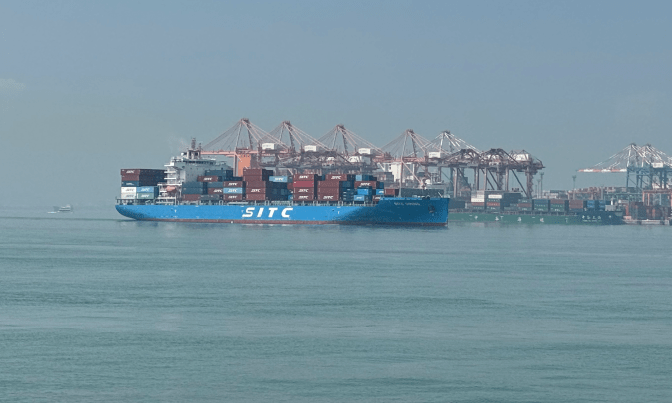
The Scale of a Giant: By the Numbers
To understand Xiamen’s role, one must grasp its scale. Consistently ranked among the top 15 container ports globally, it handles over 12 million TEUs (Twenty-Foot Equivalent Units) annually. To visualise this, imagine a continuous line of containers stretching well over halfway around the Earth.
This volume is managed across several specialised terminal areas, each a marvel of engineering:
Haicang Port Area
The main container hub, featuring deep-water berths capable of accommodating the largest container vessels afloat.
Songyu Port Area
Handles a mix of containers, bulk cargo, and general cargo.
Xiangan Port Area
A newer, strategically developed area designed to support the future growth of the port and the city.
This multi-node structure allows Xiamen to specialise and scale its operations seamlessly, avoiding the bottlenecks that can plague less sophisticated ports.
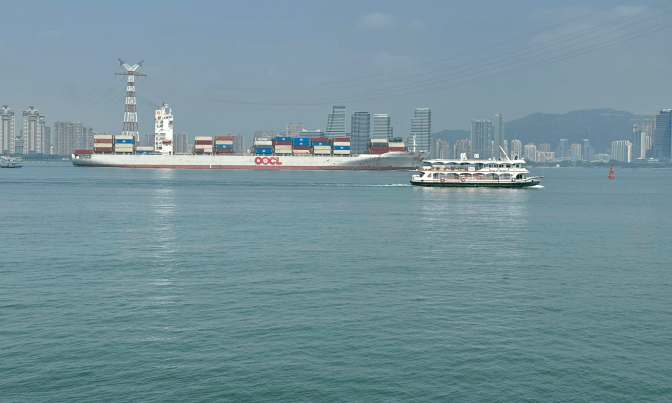
More Than a Port: An Integrated Logistics Ecosystem
What truly sets a modern port like Xiamen apart is its function as an integrated logistics ecosystem. It’s not just a place where ships dock; it’s a dynamic centre where cargo is sorted, consolidated, and dispatched with breathtaking speed. Adjacent to the port areas are:
State-of-the-Art Logistics Parks: Vast warehouses where goods can be stored, assembled, or configured for final distribution.
Multimodal Connectivity: The port is seamlessly linked to the national highway and rail network, including the China-Europe Railway Express. This means a container can be unloaded from a ship and directly onto a train bound for Central Asia or Europe, all within the port complex.
Bonded Zones and FTZs: The presence of bonded areas and the China (Fujian) Pilot Free Trade Zone streamlines customs clearance, offers tax benefits, and facilitates international trade, making it an even more attractive hub for global businesses.
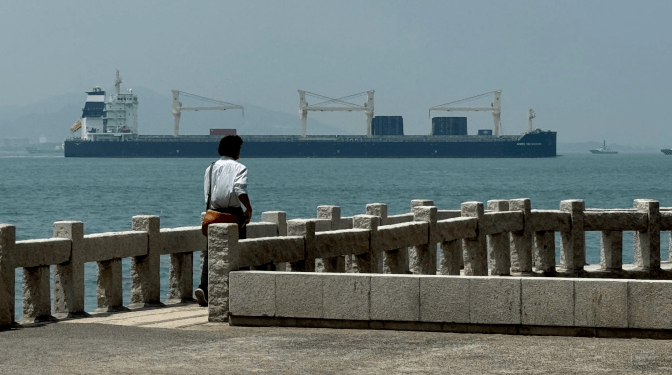
A Glimpse into the Future of Shipping
The Port of Xiamen is not merely managing today’s trade; it is actively building the infrastructure for tomorrow’s. It is a global leader in the adoption of “smart port” technologies.
Automated Guided Vehicles (AGVs) silently shuttle containers between the quay cranes and the storage yard, following invisible digital pathways. Automated, rail-mounted gantry cranes stack containers with pixel-perfect precision in the yard, controlled remotely from a central operations centre. Every move in the entire system is optimised by AI-powered operating systems—from vessel stowage planning to truck arrival schedules—minimising turnaround time and maximising efficiency.
This commitment to innovation ensures that the Port of Xiamen remains competitive, reliable, and ready to meet the escalating demands of global commerce.
The Heart of the Belt and Road
The Port of Xiamen is a living, breathing embodiment of China’s Belt and Road Initiative. It is a primary node in the “21st Century Maritime Silk Road,” connecting Chinese industry to over 150 countries worldwide. Every container that moves through its terminals is a testament to the intricate and interdependent nature of our global economy.
For any business involved in international trade, understanding the capabilities and strategic importance of the Port of Xiamen is not just academic—it is essential. It is more than a point on a map; it is the Dragon’s Gateway, a powerful force driving prosperity and connection in the 21st century.

 dragonferncopy.com