
The Port of Xiamen’s Vital Role in the Belt and Road Initiative
From the decks of ancient junks to the bridges of modern megaships, the spirit of connection has always defined China’s relationship with the world. Today, this spirit is embodied by the Belt and Road Initiative (BRI), one of the most ambitious infrastructure and economic development projects in human history. And at the heart of its maritime corridor—the “21st Century Maritime Silk Road”—beats the powerful engine of the Port of Xiamen.
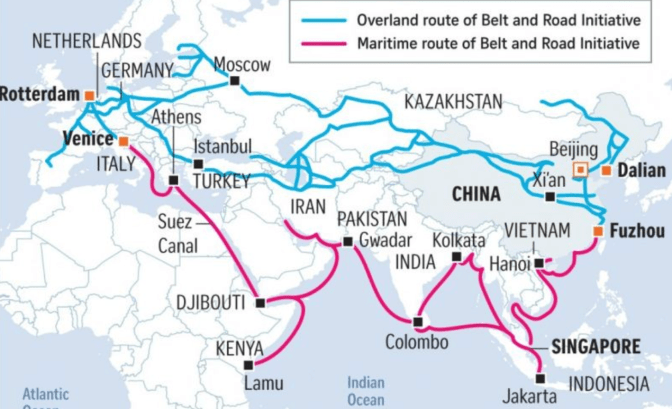
The BRI is far more than a single trade route; it is a vast network of overland corridors and sea lanes designed to enhance global connectivity. While the “Belt” refers to the land-based Silk Road Economic Belt, the “Road” is, in fact, the Maritime Silk Road. This maritime network stretches from China’s coast through the South China Sea and Indian Ocean to Europe, and another branch through the South Pacific.
For a business audience, understanding the BRI is key to understanding the future of global logistics. And to understand the BRI’s maritime dimension, you have to look at Xiamen.
From Ancient Hub to Modern Nexus: A Legacy of Trade
The historical resonance is profound. Fujian Province, with the ancient port of Quanzhou, was the starting point of the original Maritime Silk Road. For centuries, it was a bustling terminus where Chinese silk, porcelain, and tea were loaded onto vessels bound for Southeast Asia, the Middle East, and Africa.
The Port of Xiamen, located just 80 kilometres from Quanzhou, is the direct successor to this legacy. The BRI is not creating new routes from scratch; it is revitalising and supercharging ancient pathways with 21st-century infrastructure, technology, and capital. Xiamen’s position in this grand strategy is not accidental. It is a deliberate choice rooted in geography and history.
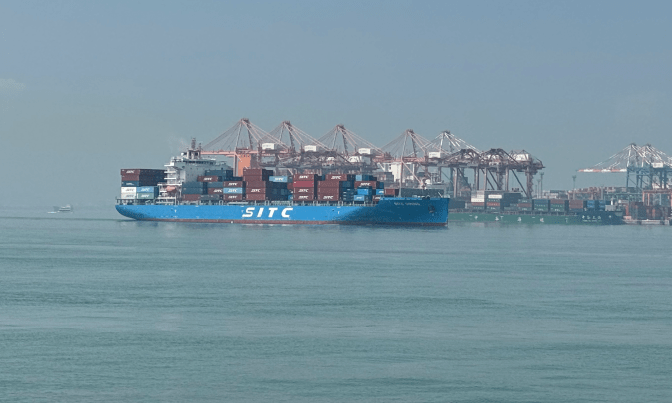
Xiamen: The Pivot Point of the Maritime Silk Road
So, what specific role does Xiamen play in this modern framework?
1. A Primary Seeding Port: Xiamen acts as a “first-mile” consolidator for a vast portion of Chinese exports. Goods from the industrial heartlands of Fujian, Jiangxi, and beyond flow into Xiamen’s logistics parks. There, they are efficiently consolidated into containers and loaded onto vessels destined for key BRI hubs like Piraeus (Greece), Hambantota (Sri Lanka), and Gwadar (Pakistan).
2. A Strategic Transshipment Hub: Beyond handling direct exports, Xiamen’s advanced infrastructure and deep-water berths make it an ideal transshipment hub for the wider region. Smaller feeder vessels from Southeast Asian nations bring their cargo to Xiamen, where it is transferred onto the massive (20,000+ TEU) container ships that form the backbone of the main East-West shipping lanes. This “collect and distribute” model is central to the BRI’s network efficiency.
3. Linking Sea and Land: The BRI’s true power lies in the synergy between its land and sea networks. The Port of Xiamen is a critical node in this intermodal chain. Containers arriving by sea can be swiftly transferred to the rail network connected to the China-Europe Railway Express. This creates a flexible and resilient supply chain, allowing goods to travel from a factory in East China to a market in Central Europe via a hybrid sea-land route, all coordinated through Xiamen.

The “Hardware” and “Software” of a BRI Hub
Being a pivotal BRI port requires both physical and digital capabilities. At Xiamen’s ports, hardware and software operate in perfect unison. Here’s how.
The Hardware (Infrastructure)
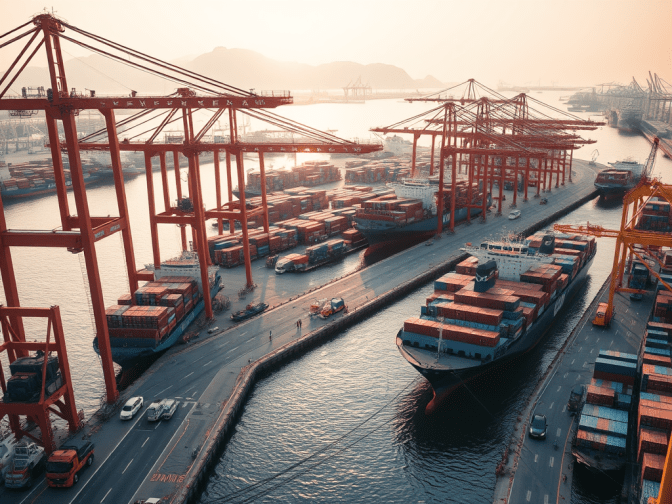
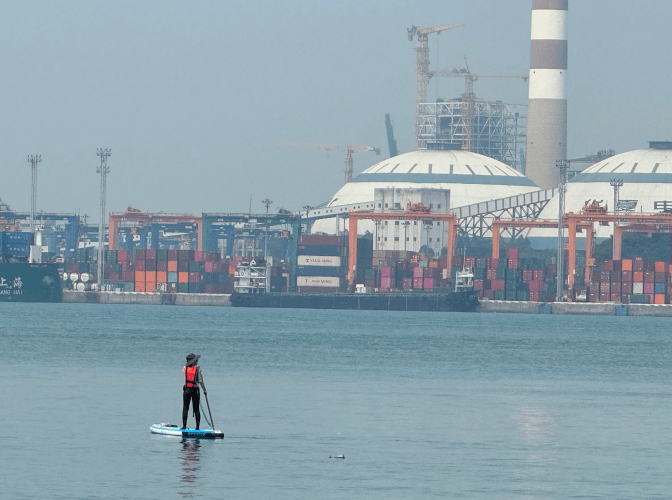
This includes the deep-water terminals at Haicang to host the world’s largest ships, the advanced cranes, and the extensive hinterland connections via road and rail. The physical expansion of the port, such as the development of the Xiangan area, is a direct investment in its BRI capacity.
The Software (Policy & Technology)
The China (Fujian) Pilot Free Trade Zone, integrated with the port, offers streamlined customs, financial liberalisation, and other trade-facilitation policies that are essential for the smooth flow of BRI trade. Furthermore, the port’s smart technologies—AI, blockchain for documentation, and automated equipment—ensure that this massive flow of goods is managed with precision, transparency, and speed.
Why This Matters for Your Business
For international businesses and investors, the BRI, facilitated by ports like Xiamen, presents tangible opportunities:
Market access.
The BRI opens up and improves connectivity to emerging markets across Asia, Africa, and Eastern Europe.
Supply chain resilience.
By creating multiple, efficient trade routes, the BRI de-risks supply chains, reducing reliance on any single chokepoint.
Logistics efficiency
The integration of services within a port like Xiamen—from bonding and warehousing to multimodal transport—can significantly reduce transit times and costs for companies that know how to leverage it.
Sailing into the Future
The Belt and Road Initiative is re-drawing the map of global trade. It is a testament to the power of connectivity and infrastructure to drive economic growth. The Port of Xiamen is no longer just a Chinese port; it is a global port, serving as a dynamic and indispensable gateway in this new era of commerce.
By anchoring itself at the centre of the 21st-Century Maritime Silk Road, Xiamen has ensured its place—and the place of its partners—in the future of global logistics. For any enterprise looking to navigate the complexities and opportunities of this new landscape, understanding this role is not just valuable—it is essential.

 dragonferncopy.com