
If you’ve ever stood on a coastline and watched a container ship glide silently on the horizon, it’s easy to see it as a monolithic, self-sufficient entity. A floating city of steel, seemingly untouched by the mundane needs of land-dwellers. But the truth is, these leviathans of global trade are entirely dependent on the shore for their most vital resource: their crew. And keeping a crew of 20-25 people fed, hydrated, and supplied for a voyage that might last weeks is a logistical ballet of precision, timing, and expertise.

Nowhere is this delicate dance more apparent than in a smaller, high-efficiency port like the Timaru Container Terminal on New Zealand’s South Island. Here, the container ship Anaxagoras is currently berthed, a 186-meter-long testament to global commerce. While cranes whir and hustle to load and unload its stack of boxes, a parallel, equally critical operation is underway to ensure its human engine is cared for. This is the story of getting provisions to a ship like the Anaxagoras.
The Clock is Ticking: The Port Call Pressure
A ship in port is a ship losing money. Every hour spent at the dock is an hour not spent earning freight revenue on the high seas. The port call in Timaru is meticulously planned down to the minute. The stevedores have their schedule for container operations, the pilot has their window for guiding the ship in and out, and the ship’s agent is coordinating a dozen different services.
Into this tightly choreographed chaos steps the provision master – often the ship’s Chief Cook, in consultation with the Captain. Their task is to compile an order that will sustain the crew until the next major port, which could be in Asia or South America. This isn’t a simple grocery run; it’s a complex procurement exercise constrained by space, budget, time, and stringent biosecurity laws.

The Order: More Than Just Food
The provisioning list for the Anaxogoras is a multi-page document that reads like a cross between a restaurant inventory and a hotel supply list.
Fresh Produce
This is the top priority. The crew will crave fresh fruits and vegetables for as long as possible. In New Zealand, this means sourcing crisp apples from Hawke’s Bay, hearty potatoes from Canterbury, and a variety of greens. The order must be calculated to ripen in stages, ensuring the cook can create varied, nutritious meals throughout the voyage.
Dry Stores, Frozen & Chilled Goods
This includes everything from flour, rice, and pasta to frozen meats, fish, and pre-prepared items. The ship’s cold storage facilities are vast but finite, so the order must perfectly balance need with capacity.
Bonded Stores
This is the term for alcohol and tobacco. These items are highly regulated, stored under lock and key (the “bond”), and their issuance to the crew is logged meticulously. They are purchased tax-free, but the paperwork must be flawless to satisfy New Zealand Customs.
Technical & Sanitary Supplies
Beyond food, the ship needs cleaning chemicals, engine room supplies, rope, lightbulbs, and spare parts. The medical locker might need restocking. Even the stationery for the ship’s office requires ordering.

The Local Lifeline: The Shipping Agent
The Captain and the cook don’t call the local supermarket. They work through a specialised company known as a shipping agent. In a port like Timaru, the agent is a crucial local business, a master of logistics and local knowledge. They are the interface between the global shipping industry and the regional economy of the South Island.
Upon receiving the order from the Anaxogoras’s crew, the agent begins sourcing the fresh produce from local suppliers and markets, collecting dry goods from wholesalers in Christchurch, and ensuring the bonded stores are correctly processed. Their expertise is in knowing not just what to get, but how to get it to the ship in the most efficient way possible, navigating the very specific rules of the port.
The Delivery: A Dance with Danger
The Timaru Container Terminal is a hazardous environment. Towering cranes move multi-ton containers, reach stackers roam like steel dinosaurs, and trucks shuttle incessantly. There is no room for error.
The provision truck, a large refrigerated vehicle, arrives at the port gate at a pre-arranged time. The driver is given strict safety briefings: a high-visibility vest and hard hat are mandatory, speed is limited to walking pace, and the route to the berth is precise.
Once the truck is positioned next to the towering hull of the Anaxagoras, the real work begins. The ship’s gangway, a steep, narrow metal staircase, is the only entrance. There are no loading docks. This is where the ship’s crew and sometimes a dedicated port labour team take over.
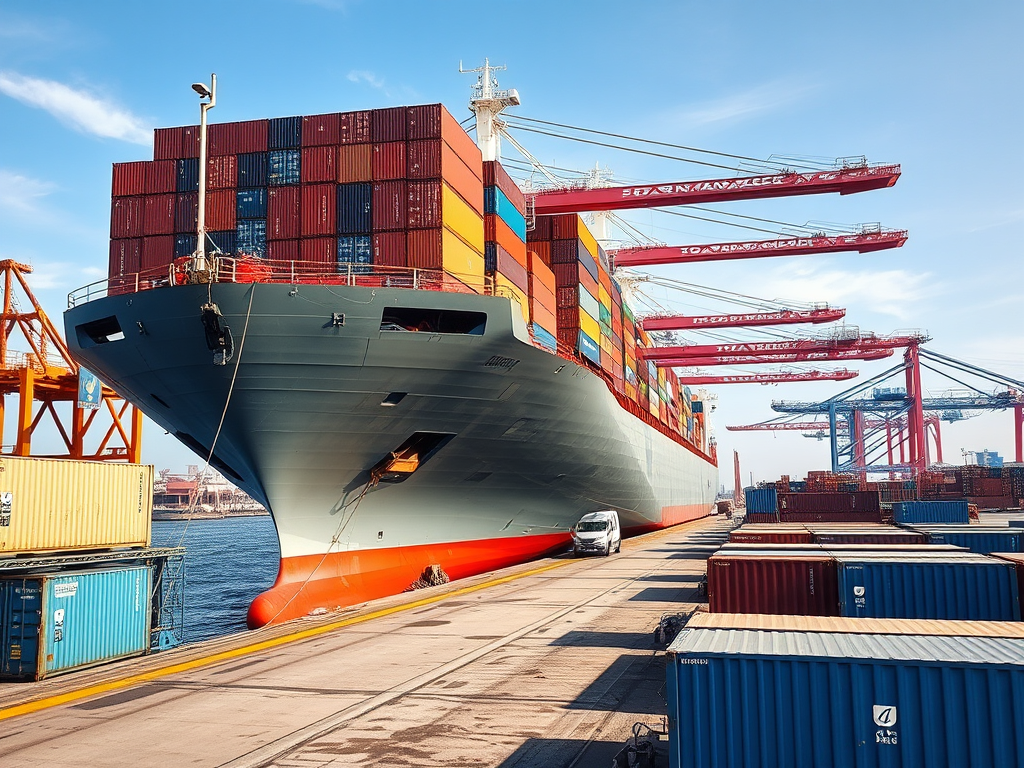
They form a human chain, passing heavy boxes hand-to-hand up the gangway—a practice as old as sailing itself, updated for the container age. For bulkier items, the ship’s stores crane, a small derrick built into the ship’s superstructure, is deployed. Nets are filled with supplies, carefully lifted from the wharf, and swung over the ship’s rail to be received by the crew on deck. It’s a slow, physically demanding process, often taking several hours.
The Invisible Hurdle: Biosecurity
New Zealand’s biosecurity is among the strictest in the world. The Ministry for Primary Industries (MPI) is a key player in any provisioning operation. The Anaxogoras likely arrived from a foreign port, and its garbage and leftover provisions are considered a biosecurity risk.
Before any new provisions can come on board, the old stores must be accounted for. Any waste for landing, especially food waste, must be declared and handled by a certified waste management company. MPI officers may inspect the ship’s galley and stores to ensure no prohibited items, like fresh fruits or meats from the previous port, are being smuggled off the ship. The new provisions, particularly the fresh produce, must have proof of origin to satisfy the authorities that they are locally sourced and pest-free.
Mission Accomplished: The Ship is Fed
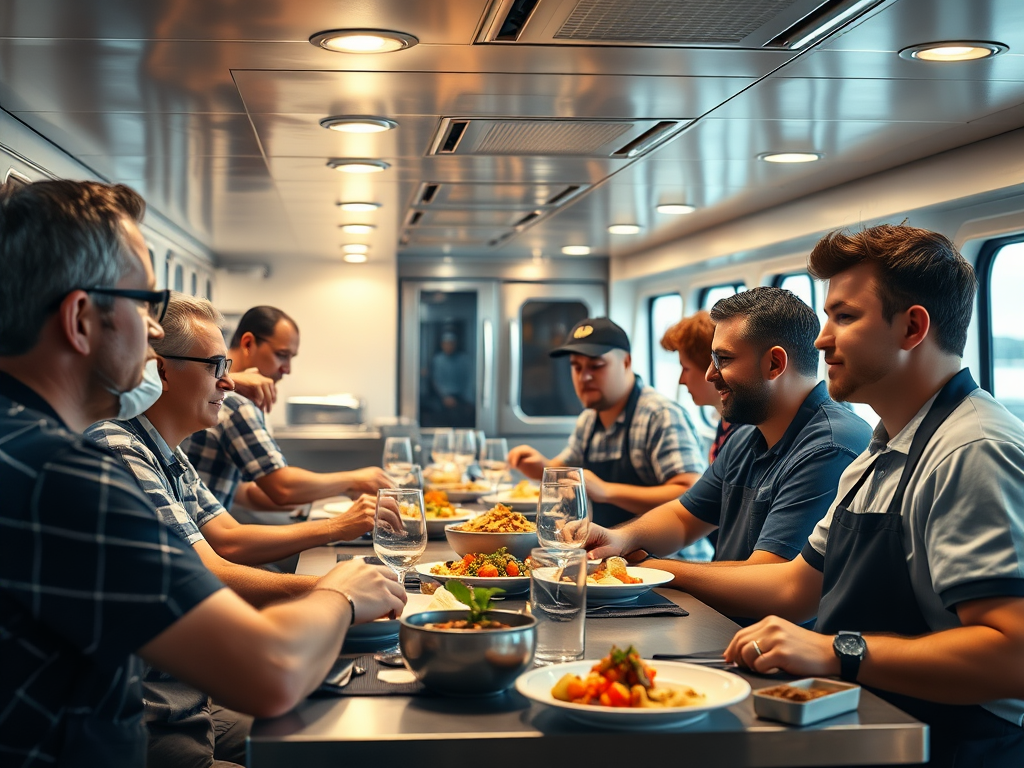
As the last box of vegetables is stowed in the cool room and the final pallet of water is secured, a quiet satisfaction settles over the crew. The Chief Cook can now plan the meals for the long Pacific crossing. The Captain knows his team will be well-cared for. The complex, land-based need has been met.
The provision truck drives away, the ship chandler closes the file, and the port agent checks another task off the list. The Anaxagoras, now fully laden with containers and brimming with supplies, is almost ready to cast off its lines. The tugs will soon arrive to nudge it back into the current, and it will depart Timaru, a self-contained world once more. But for a few crucial hours, it was intimately connected to the land, sustained by a silent, efficient symphony of logistics that ensures the people who move our world never have to sail on an empty stomach.

 dragonferncopy.com