
How logistics software can help online retailers and delivery operators manage goods that are being returned by customers.
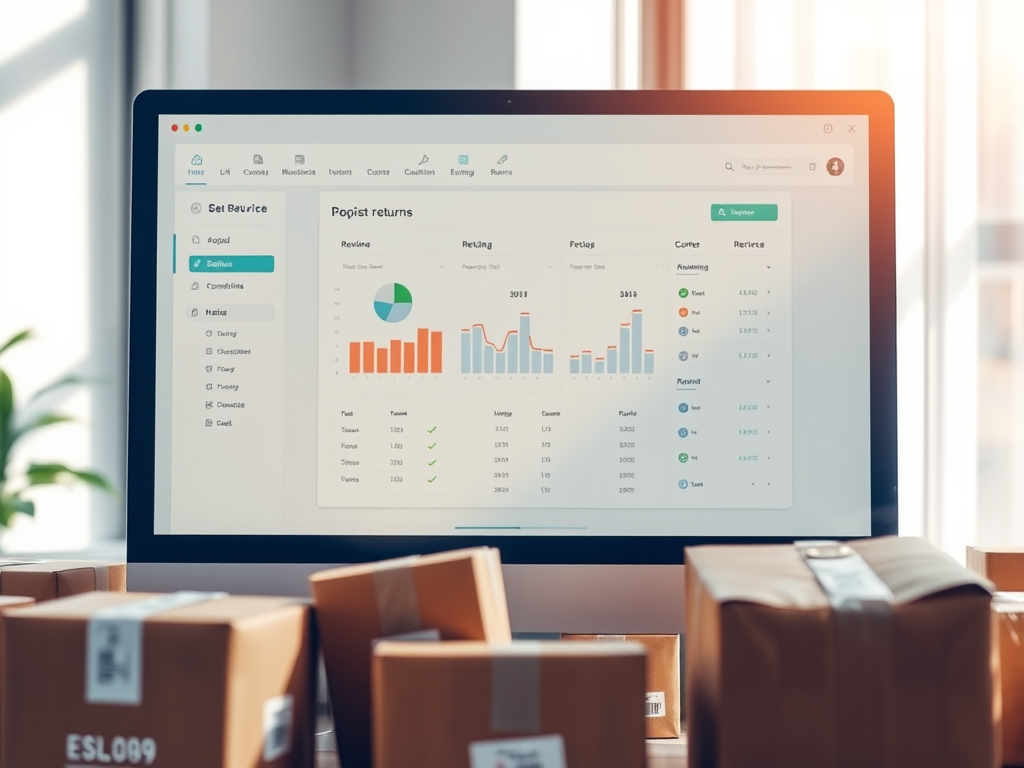
In today’s dynamic online retail landscape, returns management plays a crucial role in ensuring customer satisfaction and maintaining operational efficiency. The process of handling returned goods, often referred to as reverse logistics, can be complex and challenging for businesses to navigate effectively.
However, with the right logistics software systems in place, companies can streamline their return management processes and turn returns into a seamless and value-adding aspect of their operations.
In this article, we are going to take a look at the logistics of managing returned goods and how efficient management of these items can save time and money for delivery companies and boost customer satisfaction for retailers.
The Challenge of Returns Management
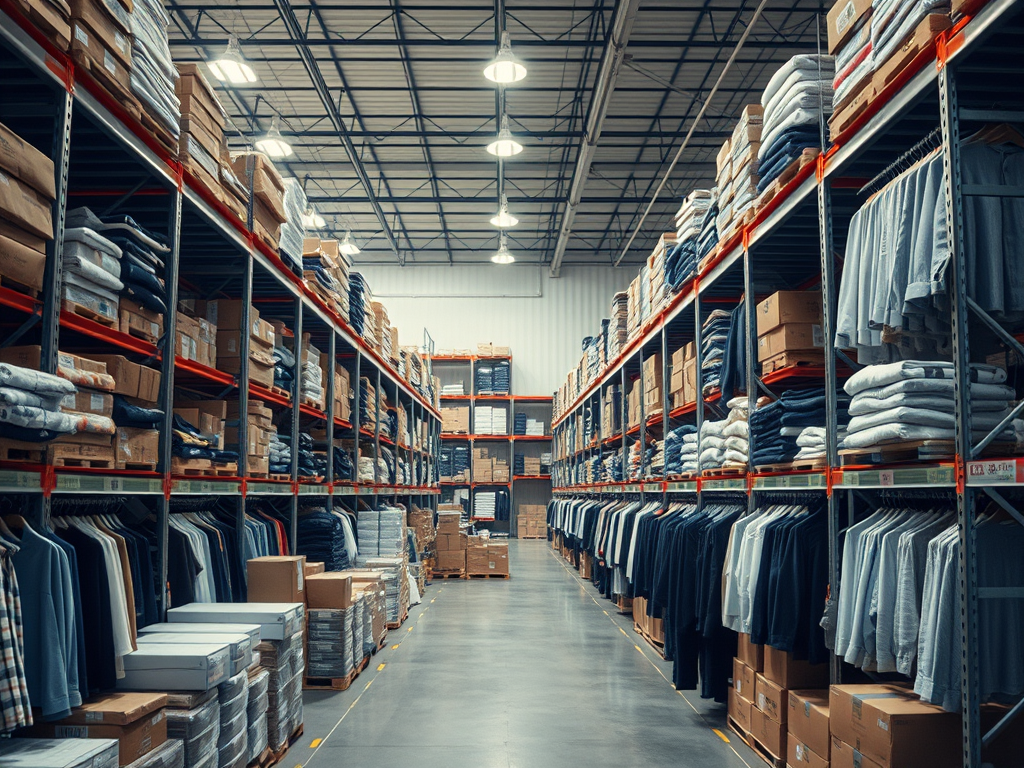
Returns are an inevitable part of the retail experience. Customers are driven to return goods by product dissatisfaction, sizing issues, or shipping errors. For online retail businesses, managing returns presents several challenges, including inventory reconciliation, restocking, and processing refunds or exchanges promptly.
Without efficient systems in place, returns management can become a bottleneck in the supply chain, leading to inventory inaccuracies, increased costs, and dissatisfied customers.
Collecting returned goods
In addition to retailers, delivery operators are an integral part of the returns supply chain. Delivery operators are often called on to collect returned items from customers and deliver them back to the retailer. For this to operate efficiently, delivery drivers need to be able to access the logistics software systems that enable them to optimise routes to pick-up locations and manage the storage of these items if necessary.

The Role of Logistics Software Systems in Returns Management.
Logistics software systems offer a comprehensive solution for managing returns effectively throughout the entire process. These systems are equipped with features designed to automate and streamline various aspects of returns management, including return authorisation, product inspection, disposition, and restocking.
By integrating with inventory management, order processing, and customer relationship management (CRM) systems, logistics software provides real-time visibility into return status and inventory levels. This enables businesses to make data-driven decisions and optimise their returns operations to ensure that goods being returned don’t interfere with warehousing and dispatch operations.
Key Features of Logistics Software for Returns Management
For a robust logistics software system, returns management is second nature. It’s essentially just the delivery supply chain operating backwards. But there are some key circumstances in the returns process that need to be managed properly to keep track of returned goods and to ensure that they don’t confuse or clutter up the flow of outward goods.
After all, it is the outgoing goods that represent profits for online retailers: so they don’t want the flow of these items to be impeded by returning goods. And that’s where logistics software comes into play.
- Return Authorisation. Logistics software systems can create automated workflows for initiating and approving return requests. This reduces manual intervention and processing time. It also provides an efficient and seamless process for the customer, ensuring they maintain their faith in a business and its ability to meet their expectations.
- Product Inspection. Let’s be honest…we’ve all worn a dress once and then sent it back, haven’t we? OK, maybe not just a dress, but you know what we mean. Sometimes, returned goods need to be inspected to ensure that they haven’t been used or damaged before being returned.
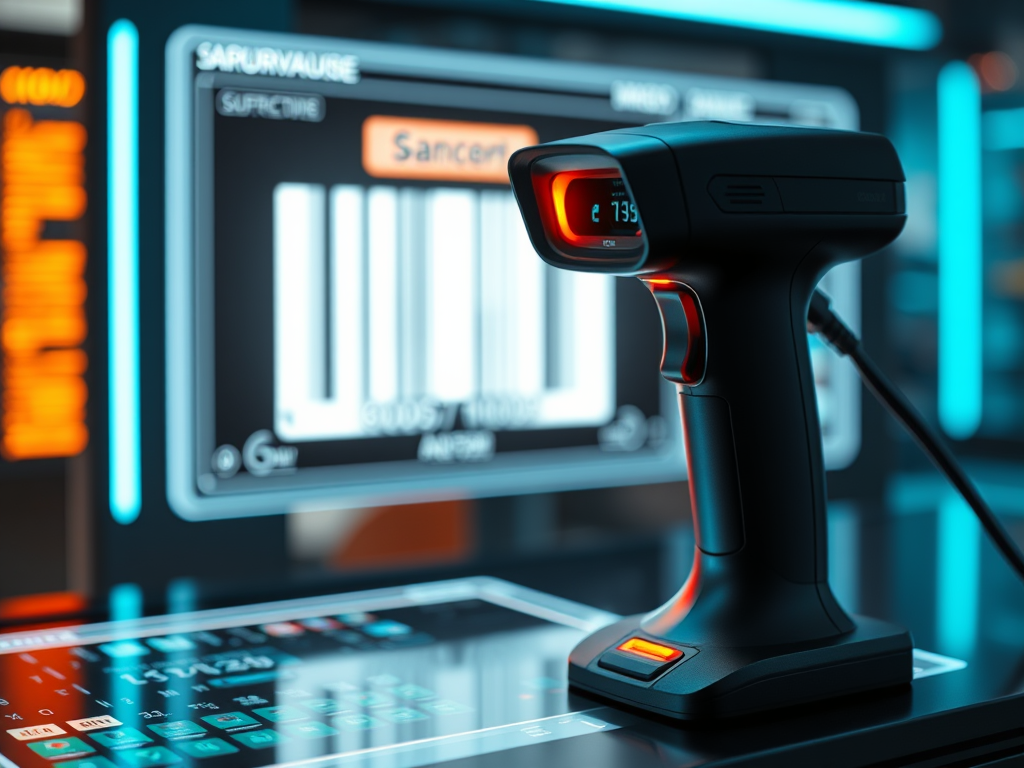
Barcode scanning and image recognition technology make it much simpler to inspect returned items, identify damage or defects, and determine where the item should be sent next.
- Disposition Management. This is an interesting part of the returns process. It is crucial for optimising inventory levels, minimising waste, recovering value from returned items, and maintaining customer satisfaction through efficient replacement or refunding.
Disposition management is the process of managing and handling the final destination or outcome of goods or products within the supply chain. It involves making decisions and taking actions related to the disposal, sale, return, or reuse of goods that have reached the end of their useful life cycle or are no longer needed by the company.
Disposition management for returned goods can fall into several categories.
- 1) Disposal. This involves determining the most appropriate method of disposing of goods that are no longer usable or saleable. It may include recycling, donating, selling as scrap, or using environmentally friendly disposal methods.
- 2) Remarketing. Finding new markets or opportunities to sell excess or returned goods. This may involve selling through discount channels, liquidation auctions, or secondary markets.
- 3) Inventory Management. It ensures accurate tracking and control of inventory levels, including surplus or obsolete stock that may require disposition.
- 4) Compliance. Ensuring that all disposition activities comply with legal, environmental, and regulatory requirements.
Logistics software often includes features and modules specifically designed to support disposition management activities, such as returns processing, inventory tracking, and disposal management. Rule-based decision-making algorithms embedded in the software can efficiently determine whether returned items can be restocked, refurbished, returned to vendors, or disposed of, based on predefined criteria.
- Restocking and Inventory Reconciliation. The software can provide seamless integration with inventory management systems for updating stock levels, allocating returned items to appropriate locations, and ensuring accurate inventory records.
- Refund Processing. Automated software-based refund processing workflows, including payment reversal and credit issuance, to expedite the refund process and enhance customer satisfaction.
- Analytics and Reporting. Logistics software can provide advanced reporting and analytics capabilities for tracking return trends, identifying root causes of returns, and optimising processes to minimise future returns.
Benefits of Efficient Returns Management
Implementing logistics software systems for returns management offers several benefits to businesses.
Improved customer experience
Faster processing times, transparent communication, and hassle-free returns contribute to enhanced customer satisfaction and loyalty.
Cost Savings
Automation and optimisation of returns processes will reduce the operational costs associated with manual handling, processing errors, and inventory write-offs.
Increased Efficiency
Streamlined workflows and real-time visibility enable faster decision-making, reducing cycle times and improving overall operational efficiency
Data-driven Insights
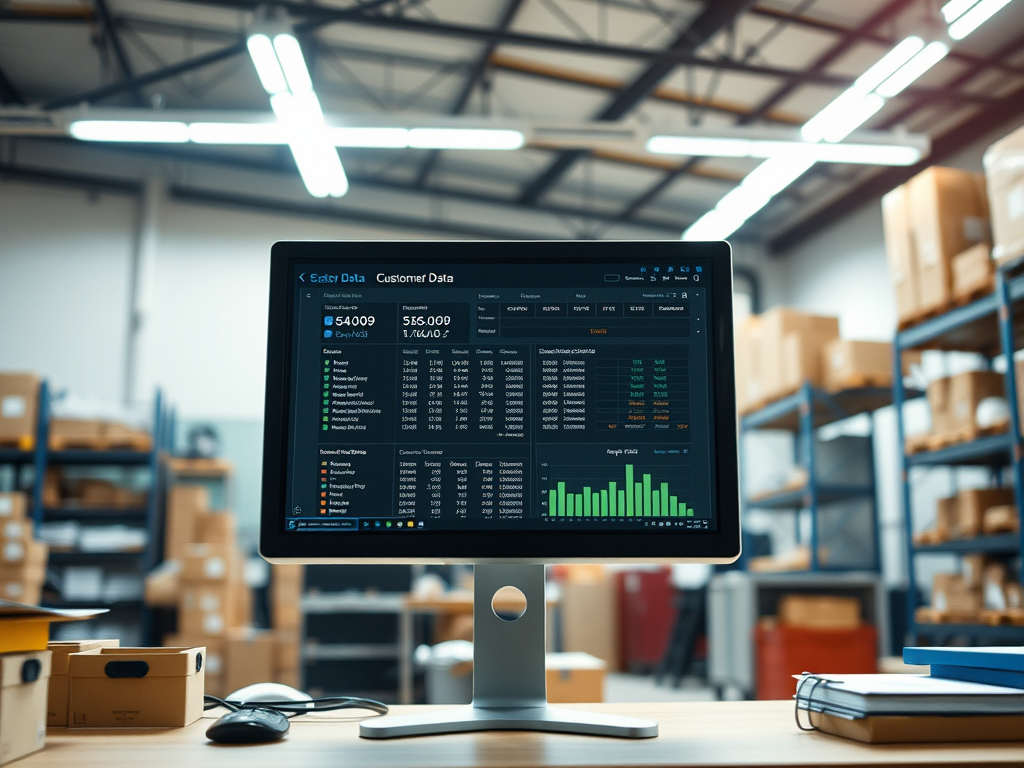
Logistics software contains advanced analytics and reporting tools that can provide valuable insights into return trends, customer behaviour, and product performance. This enables businesses to make informed decisions about their returns system and drive continuous improvement.
Returns Without the Hassle.
In an ideal world, your customers would never want to return your products. But returns are an integral part of online retail in the real world. Effective returns management is essential for maintaining customer trust, driving operational efficiency, and maximising profitability. Logistics software systems offer a robust solution for streamlining the returns process, providing businesses with the tools and capabilities needed to manage returns seamlessly from initiation to resolution.
Logistics software can assist your business in transforming your returns management processes into a strategic advantage. It can help enable you and your staff to deliver a seamless and satisfying experience for your customers. Now…time to get that dress into the post!

 dragonferncopy.com