
How logistics software streamlines the safe, compliant, and efficient collection of quarantine waste from ships at busy international ports.
Every year, thousands of ships berth in international ports, delivering goods, machinery, food, fuel—and, less visibly, waste. Among the most tightly controlled of these is quarantine waste: any discarded material that poses a biosecurity risk because it originates from outside a country’s borders.
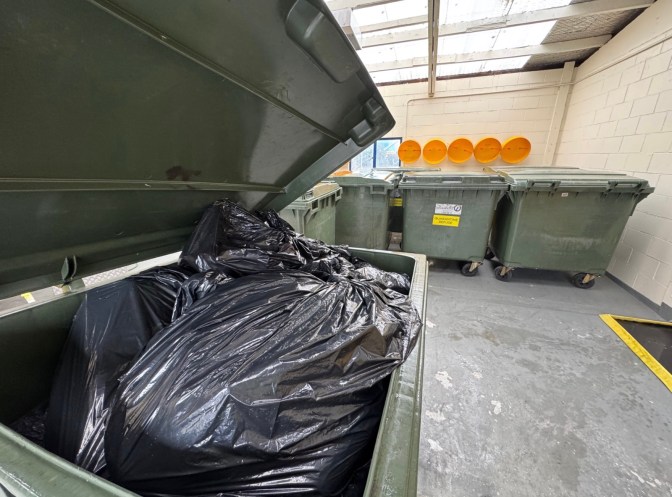
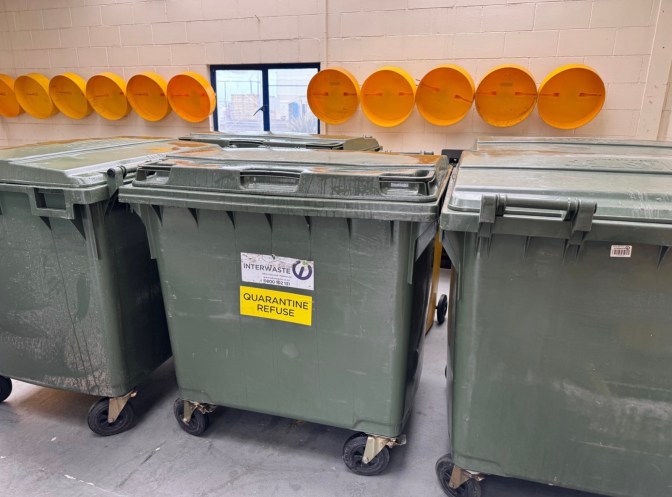
This waste is stored in sealed, heavy-duty bins marked clearly with warning labels such as “Quarantine Refuse” and then collected by certified operators. But behind the physical bins and collection trucks lies a more sophisticated backbone: logistics software, which quietly ensures that this system functions with maximum efficiency, traceability, and compliance.
What is Quarantine Waste?
Quarantine waste is any material that has come into contact with food, animals, plants, or soil from overseas and could harbour pests, diseases, or contaminants not present in the local environment. On ships, this includes:
- Leftover meals from international galleys
- Food packaging and wrappers
- Cleaning materials
- Bedding and laundry from international crews or passengers
- Animal waste or straw bedding (from live animal transport)
- Contaminated medical or sanitary waste
Because such material may contain invasive pathogens, countries like New Zealand, Australia, and the UK enforce strict protocols for handling, transport, and disposal. In many cases, the waste must be incinerated or sterilised at approved facilities.
This makes the logistics of quarantine waste extremely sensitive. Any misstep—wrong pickup time, unsealed bin, incomplete paperwork—can breach environmental laws and threaten local ecosystems.
This is where logistics software becomes essential.

The Role of Logistics Software in Waste Management
Traditionally, waste collection relied on paper manifests, human scheduling, and ad hoc communications. Today, modern waste management companies such as Interwaste rely on intelligent logistics platforms to manage the full lifecycle of quarantine waste—from generation to disposal.
Here’s how logistics software enhances every step of the process.
1. Digital Scheduling and Route Optimisation
With potentially hundreds of vessels docking at a port each month, planning collection routes is complex. Waste must be collected promptly to reduce the risk of contamination, but trucks also need to avoid congestion and minimise fuel usage.
Logistics platforms use real-time scheduling and GPS mapping to:
- Automatically assign pickups based on location and urgency
- Optimise routes to reduce travel time and fuel usage
- Provide drivers with app-based instructions and updates
- Flag delays, traffic issues, or port access restrictions
This ensures that quarantine waste is removed swiftly and safely with minimal manual intervention.

2. Container Tracking and Chain of Custody
The green bins seen in the quarantine facility photos are part of a tightly monitored supply chain. Each bin is tagged, numbered, and often fitted with RFID chips or QR codes, allowing the software to track:
- When and where the bin was issued
- Which ship it was assigned to
- When it was filled and sealed
- Who handled it during collection
- When it was received at the treatment or disposal facility
This chain of custody is essential for regulatory compliance and accountability. Logistics software ensures that every action is logged, time-stamped, and traceable in the event of an audit or incident.
3. Compliance with National Biosecurity Laws
New Zealand’s MPI (Ministry for Primary Industries), for example, mandates strict handling procedures for all quarantine waste. Logistics software automates compliance by:
- Generating digital manifests with complete data fields
- Pre-filling regulatory forms for border control
- Alerting operators to expiring permits or missing documentation
- Providing digital signatures and proof-of-delivery in real time
Instead of relying on paper records that can be lost or misfiled, every movement of the waste is recorded and available for instant inspection by authorities.
4. Smart Inventory Management
Within a quarantine facility, dozens of bins are stored, cleaned, rotated, and reused. Logistics software enables:
- Automated inventory management: knowing how many bins are in use, cleaned, or damaged
- Alerts when bins need decontamination or are overdue for collection
- Integration with cleaning logs and maintenance records
This minimises downtime and ensures that enough compliant containers are always available, especially during peak shipping seasons.
5. Real-Time Reporting and Analytics
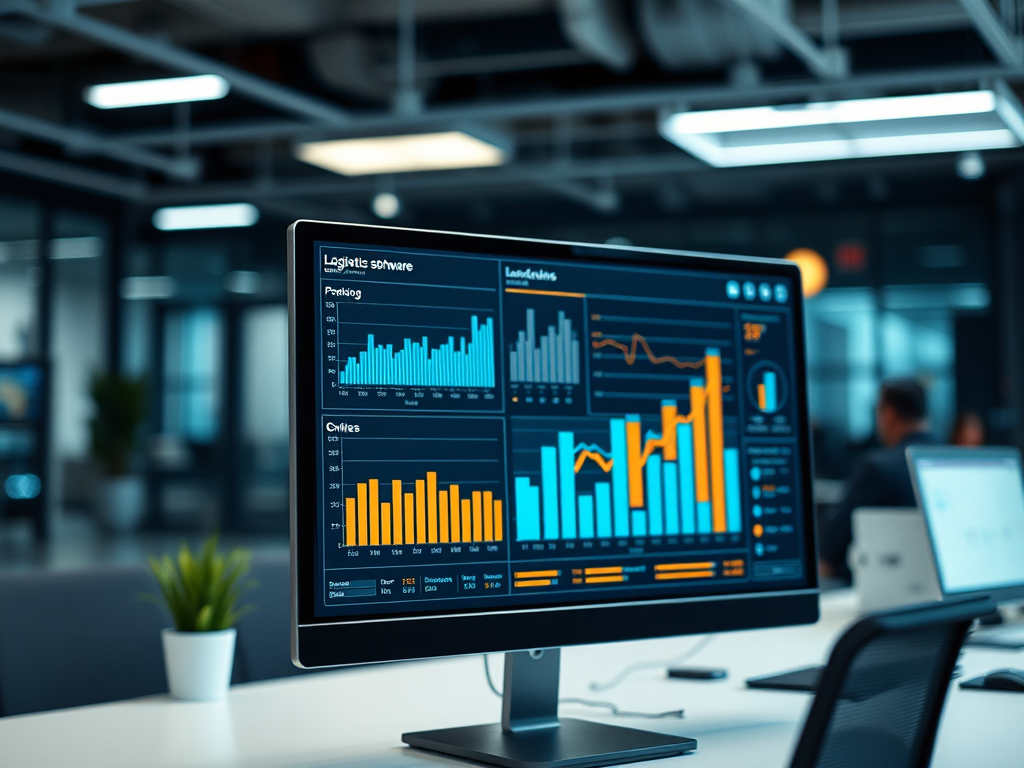
One of the greatest benefits of digital logistics software is the ability to generate live dashboards and performance reports. Waste management teams can monitor:
- Tonnage of waste collected per ship or month
- Efficiency of different routes and drivers
- Time taken between collection and disposal
- CO2 emissions and sustainability targets
This data enables ongoing optimisation, not just for compliance but also for environmental impact and cost efficiency.
6. Incident Response and Risk Mitigation
In the event of a bin rupture, spillage, or biosecurity breach, logistics software can quickly:
- Pinpoint where the bin was last scanned or handled
- Notify relevant authorities and emergency responders
- Generate reports for internal review and policy improvement
This fast-tracked incident response is vital in a sector where timing and traceability can mean the difference between containment and outbreak.
Conclusion: Smarter Systems for Safer Borders
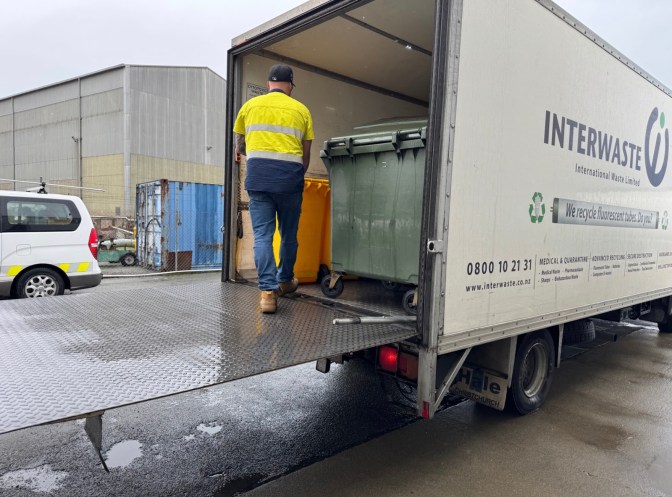
The visual impression of quarantine waste—bulky green bins, black plastic bags, and workers loading trucks—hints at the physical reality of the task. But what lies beneath is a sophisticated digital infrastructure.
By harnessing the power of logistics software, quarantine waste companies can:
- Reduce collection errors
- Meet stringent government regulations
- Minimise environmental risks
- Increase operational efficiency
In a world more connected—and more vulnerable—than ever, the safe handling of international waste is not just a regulatory necessity. It’s a frontline defence in biosecurity. Logistics software is the silent guardian, ensuring every bin is accounted for, every route optimised, and every risk contained.

 dragonferncopy.com