
How Shanghai Yangshan Deep Water Port powers global supply chains, ensuring the seamless flow of goods from factories to consumers worldwide.
In today’s interconnected world, efficient supply chains are the backbone of the global economy. From the raw materials harvested in one country to the finished products sold across the globe, every step relies on seamless coordination. At the center of this complex web lies the Shanghai Yangshan Deep Water Port — a state-of-the-art facility that ensures goods move smoothly and swiftly across international markets. This article explores the vital role Yangshan Port plays in maintaining the strength and resilience of global supply chains, illustrated through the real-world journey of a simple kitchen utensil.
The Vital Role of Supply Chains
In the modern global economy, supply chains are the invisible threads connecting raw materials, manufacturers, retailers, and consumers. Without efficient supply chains, industries from automotive to electronics to everyday household goods would grind to a halt. Ensuring that these chains function smoothly is crucial to maintaining the stability and prosperity of the global market.
At the center of this intricate system stands the Shanghai Yangshan Deep Water Port — a technological marvel and a logistical powerhouse that plays a pivotal role in keeping global commerce moving.

The Shanghai Yangshan Deep Water Port: An Overview
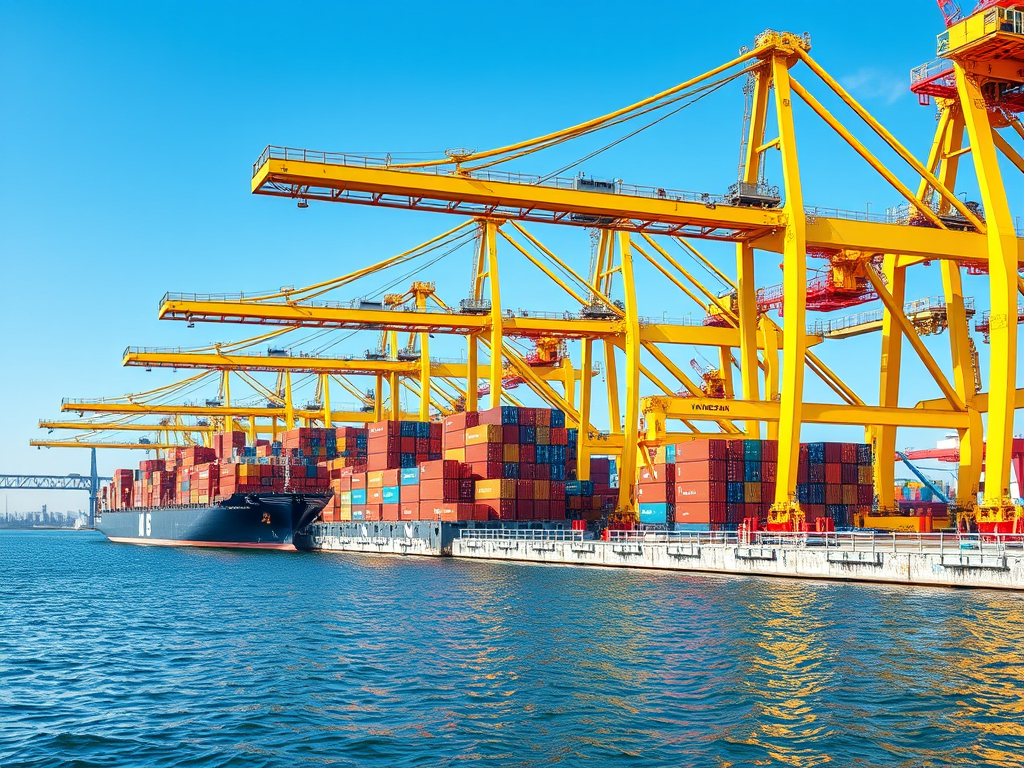
Opened in 2005, the Shanghai Yangshan Deep Water Port is one of the largest and most advanced container ports in the world. Located on the offshore Yangshan Islands, it connects to mainland Shanghai via the 32.5-kilometer Donghai Bridge. Its deep waters accommodate the world’s largest cargo ships, and its automation and AI-driven operations set new standards for port efficiency.
Key Features of Yangshan Port
Massive Capacity: Handling over 40 million TEUs (Twenty-foot Equivalent Units) annually.
Automation Leadership: Advanced automated cranes, unmanned trucks, and AI scheduling systems.
Strategic Location: Positioned at the mouth of the Yangtze River, providing seamless access to global shipping routes.
Integration with the Belt and Road Initiative: Enhancing connectivity between China and global markets.
Why Maintaining Effective Supply Chains Matters
Supply chains are about much more than just shipping goods; they ensure:
Timely Delivery: Essential for meeting consumer demands.
Cost Efficiency: Reducing unnecessary storage and transportation costs.
Quality Control: Managing the safe handling of products.
Market Stability: Preventing shortages that can disrupt industries and economies.
An efficient port like Yangshan ensures that every link in the supply chain remains strong.

A Real-World Example: The Journey of a Kitchen Utensil
Imagine the journey of a simple kitchen utensil, such as a stainless steel spatula, from raw material to a customer’s home. The Shanghai Yangshan Deep Water Port plays a critical role at multiple points:
Step 1: Raw Material Procurement
Stainless steel is sourced from mines and processed into sheets. These materials are then shipped to manufacturers, often via Yangshan Port, which connects suppliers from different parts of Asia and beyond.
Step 2: Manufacturing and Assembly
The steel sheets arrive at a manufacturing facility in China, where they are stamped, polished, and assembled into spatulas. Once packaged, these products need to move quickly to meet global demand.
Step 3: Export Through Yangshan Port
The finished utensils are transported to Yangshan Port, where they are efficiently loaded onto cargo ships thanks to AI-driven scheduling and automated cranes. Because of the port’s deep waters and vast handling capacity, massive container ships can load thousands of products in record time.
Step 4: Overseas Shipping and Distribution
From Yangshan, the spatulas make their way across oceans to distribution centers in Europe, South America, Canada, Oceania (Australia and New Zealand) and other regions. Efficient handling at the port minimizes delays, ensuring that stores receive stock on time.
Step 5: Retail and Consumer Purchase
Finally, the spatulas arrive at retail stores or online fulfillment centers. A smooth, uninterrupted supply chain — anchored by key hubs like Yangshan — ensures that when consumers need a new kitchen utensil, it’s readily available.
How Yangshan Port Strengthens the Global Supply Chain
Seamless Automation
Yangshan’s heavy investment in automation minimizes human error and speeds up operations. Autonomous trucks, intelligent cranes, and AI scheduling systems ensure that cargo moves smoothly from ship to shore and beyond.
Predictive Logistics
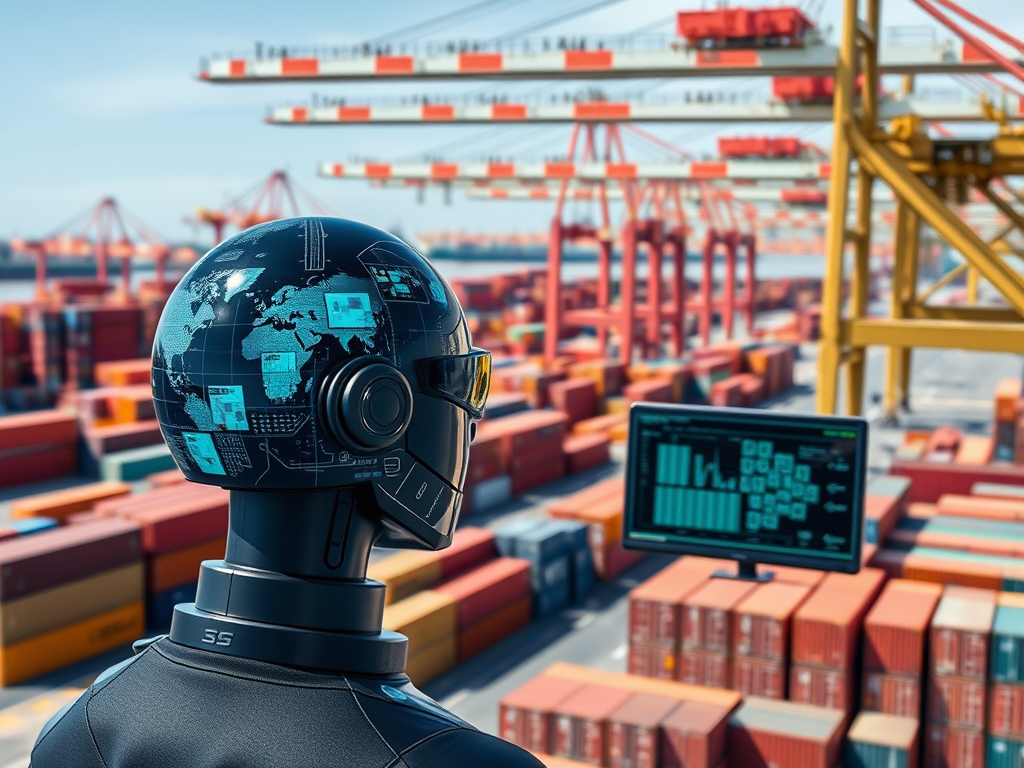
AI systems at the port predict container flow, optimize berth allocations, and anticipate disruptions. This proactive approach prevents bottlenecks that could ripple through supply chains worldwide.
Sustainability Initiatives
Yangshan is also leading in sustainable logistics, using electric vehicles, green energy, and waste reduction programs. A greener port contributes to more responsible global supply chains.
Strategic Global Connectivity
As a major node in China’s Belt and Road Initiative, Yangshan enhances connections between Asia, Europe, Africa, and beyond, making it a central artery for the world’s commerce.
The Indispensable Role of Shanghai Yangshan Deep Water Port
From a simple kitchen spatula to complex machinery and electronics, products rely on robust and efficient supply chains to reach global markets. Shanghai Yangshan Deep Water Port is not just a local asset; it is a global linchpin, ensuring the smooth movement of goods across continents.
Maintaining effective supply chains is more critical than ever, and with ports like Yangshan leading the way in innovation and efficiency, the future of global trade looks strong, connected, and resilient.

 dragonferncopy.com