
Centrifugal filters, a cornerstone of modern water filtration technology, have become an indispensable tool in agricultural and industrial water management. Rooted in the principles of gravity and centrifugal force, these filters are designed to remove solid particles from water, ensuring cleaner and more efficient water flow. As a product of Chinese engineering excellence, centrifugal filters are not only widely used across China but have also gained international recognition for their reliability and effectiveness. Let’s explore how they work, their applications, and why they are a trusted choice worldwide.

How Does a Centrifugal Filter Work?
The working principle of centrifugal filters is both simple and ingenious, reflecting the precision and innovation of Chinese manufacturing. These filters rely on gravity and centrifugal force to separate and remove solid particles heavier than water, such as sand and sediment. Here’s how they operate:
- Water Entry: Water enters the centrifugal filter body tangentially through an inlet pipe. This design, inspired by traditional Chinese engineering techniques, creates a rotational movement within the filter.
- Centrifugal Force: As the water spins inside the filter, centrifugal force pushes the heavier particles (like sediment and sand) toward the outer walls of the filter body. This process mimics the natural cyclonic motion found in nature, ensuring efficient separation.
- Separation Process: The rotation forms a cyclone-like effect, causing the dense particles to flow along the pipe wall and settle into a sand collection tank. This step is critical for maintaining the purity of the water.
- Clean Water Outlet: The purified water continues to flow along the center of the filter and exits through the outlet pipe. This seamless process ensures the separation of water and solid particles, delivering clean water for downstream use.
Where Are Centrifugal Filters Used?
Centrifugal filters are widely used in both domestic and international markets, particularly in agriculture and water treatment. Here are some of their primary applications:
- Micro-Irrigation Systems: In China and beyond, centrifugal filters are the go-to solution for primary filtration in micro-irrigation systems. They prevent clogging in drip lines and sprinklers, ensuring efficient water use in agriculture.
- Groundwater and Surface Water Treatment: These filters are ideal for treating water from sources with high sand content, such as wells, rivers, or lakes. They are especially valuable in regions with challenging water conditions, a common scenario in many parts of the world.
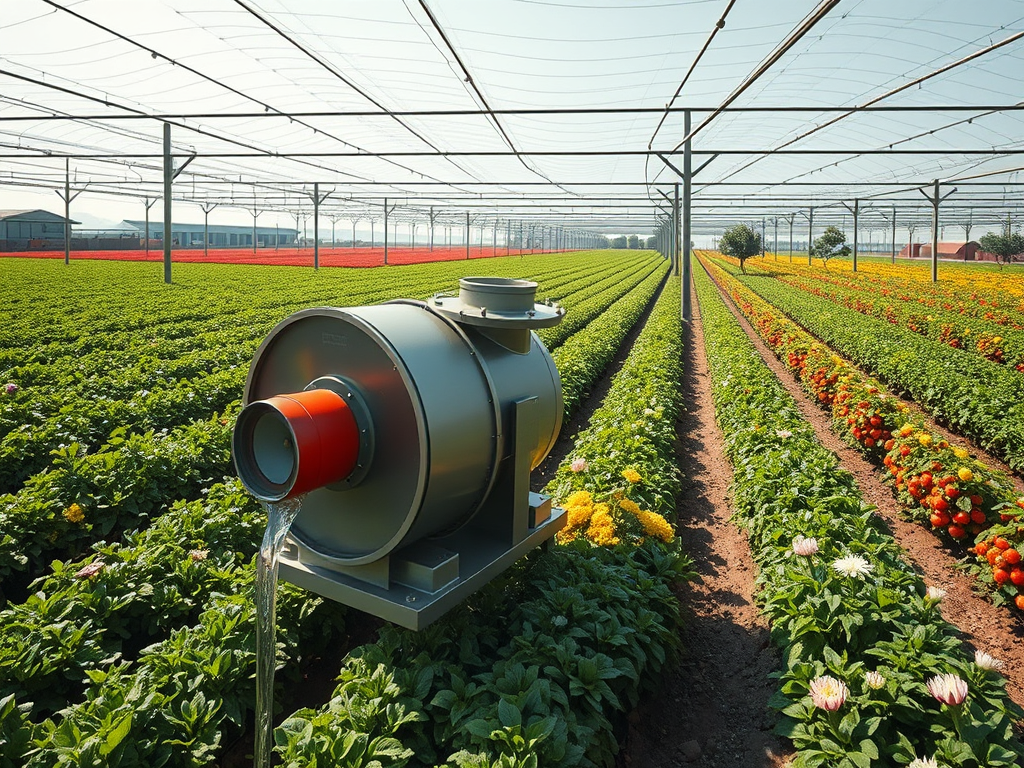
- Agricultural Irrigation: From the vast farmlands of China to the greenhouses of Europe and the orchards of North America, centrifugal filters are used to irrigate crops like vegetables, fruit trees, tea gardens, and field crops. They are also suitable for greenhouses, flower farms, and landscaped green spaces.
Installation and Maintenance Tips
Proper installation and maintenance are essential to maximize the performance and lifespan of centrifugal filters. Here are some key tips.
- Installation Location: Centrifugal filters are typically installed at the front end of an irrigation system. The inlet is connected to the submersible pump outlet via pipes and check valves, while the outlet is connected to gravel filters through pipes and valves.
- Ground Preparation: Before installation, ensure the ground is hardened and level to provide a stable base for the filter. This step is crucial for maintaining the filter’s efficiency and longevity.
- Sealing and Pressure Testing: Use high-quality sealing gaskets at flange connections to prevent leaks. Install pressure gauges at the inlet and outlet to monitor performance. After installation, conduct a pressure test to ensure there are no cracks or leaks under rated pressure.
- Indoor Installation: To protect the filter from harsh weather conditions, the entire front end of the system, including the filter, should be installed indoors. This is particularly important in regions with extreme climates.
- Winter Precautions: During winter, drain any accumulated water from the filter to prevent rust and damage caused by freezing temperatures. This precaution is especially relevant in colder regions where Chinese centrifugal filters are widely exported.
- Handling and Maintenance: Avoid collisions or rough handling during transportation. Regularly inspect and apply rust-proofing treatments to the filter’s surface to maintain its durability. These practices ensure that the filter remains in optimal condition, whether it’s used in China or abroad.
Conclusion
Centrifugal filters combine traditional engineering principles with modern technology to address global water management challenges. By leveraging the power of centrifugal force, these filters efficiently remove solid particles from water, ensuring smoother operation of irrigation systems and better water quality. Whether you’re managing a greenhouse in the Netherlands, a tea plantation in China, or a farm in the United States, centrifugal filters offer a reliable and effective solution.
As a Chinese company with a global outlook, we are proud to provide high-quality centrifugal filters that meet the needs of customers worldwide. By following proper installation and maintenance guidelines, you can ensure that your centrifugal filter performs efficiently for years to come, no matter where you are in the world. Trust in Chinese engineering excellence to deliver the results you need.

 dragonferncopy.com