
How server farms the world over keep the internet functioning…and your 2AM cute cat videos running.
Picture this: you’re sitting at your desk, fingers poised over your keyboard, about to search for something incredibly important. Maybe it’s “best sushi in Auckland” or “can llamas really spit?” Whatever it is, you type it in, hit enter, and… BAM! Within milliseconds, search engines deliver a platter of answers. Magic? Not quite. The heroes of this operation are servers. Not the kind that bring you margaritas at happy hour, but the hulking, blinking, heat-generating guardians of the internet.
Let’s take a behind-the-scenes tour of how these digital butlers, hidden in server farms around the world, work tirelessly to deliver the goods—always with a smile (metaphorically speaking, of course).
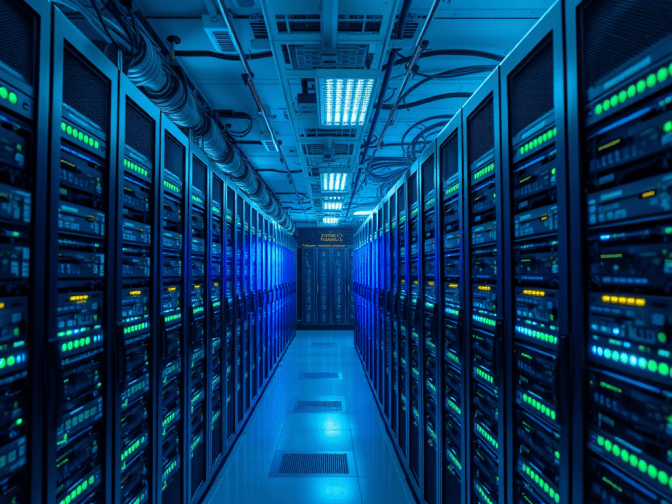
Welcome to the Farm
A server farm isn’t a place where servers roam free, grazing on packets of data. It’s a data center—a sprawling, climate-controlled labyrinth filled with racks of powerful computers that process and store all the data we throw at them. Picture an army of supercharged PCs working in harmony, their blinking lights and low hums creating a symphony of efficiency.
These server farms are scattered all over the globe, from the icy climes of Finland to the sunbaked deserts of Arizona. Why? Because the internet never sleeps. When it’s 3 a.m. in Auckland and someone’s Googling “best hangover cures,” it’s daytime somewhere else, and servers need to be on high alert.

How Search Engines Play Detective
When you type your query into a search engine, you’re essentially asking it to play Sherlock Holmes. But instead of a magnifying glass, it uses algorithms and server farms to hunt down your answer.
Here’s the play-by-play:
Indexing the Internet: Think of the internet as a massive library. Search engines use bots (also called crawlers) to “read” and index every page out there. These bots are relentless, scuttling from site to site and cataloging keywords, metadata, and links.
Storing the Data: All that juicy information is stored on servers. And not just one server—we’re talking thousands, even millions, of them. It’s like having a billion librarians at your disposal, each with their own set of encyclopedias.
Processing Your Query: When you hit search, the engine dives into its indexed treasure trove, sifting through the data faster than you can say “search engine optimisation.”
Ranking Results: Not all matches are created equal. Algorithms rank the results based on relevance, freshness, and about a hundred other factors (some of which are more secretive than your grandma’s jam recipe).
Serving It Up: Finally, the results pop up on your screen, neatly ranked and ready for you to click away. All of this happens in the blink of an eye, thanks to those servers humming away in the background.
The Unsung Heroes of the Web
Servers don’t get a lot of love, but they’re the backbone of the internet. Without them, your cat videos wouldn’t stream, your emails wouldn’t send, and your online shopping carts would be eternally empty (a nightmare, right?).
But life as a server isn’t all sunshine and gigabytes. These machines work around the clock, handling massive amounts of data and dealing with extreme temperatures. That’s why server farms invest in high-tech cooling systems—everything from cold aisle containment to immersion cooling, where servers are literally dunked in special liquids to keep them from overheating. Think of it as a spa day for servers.
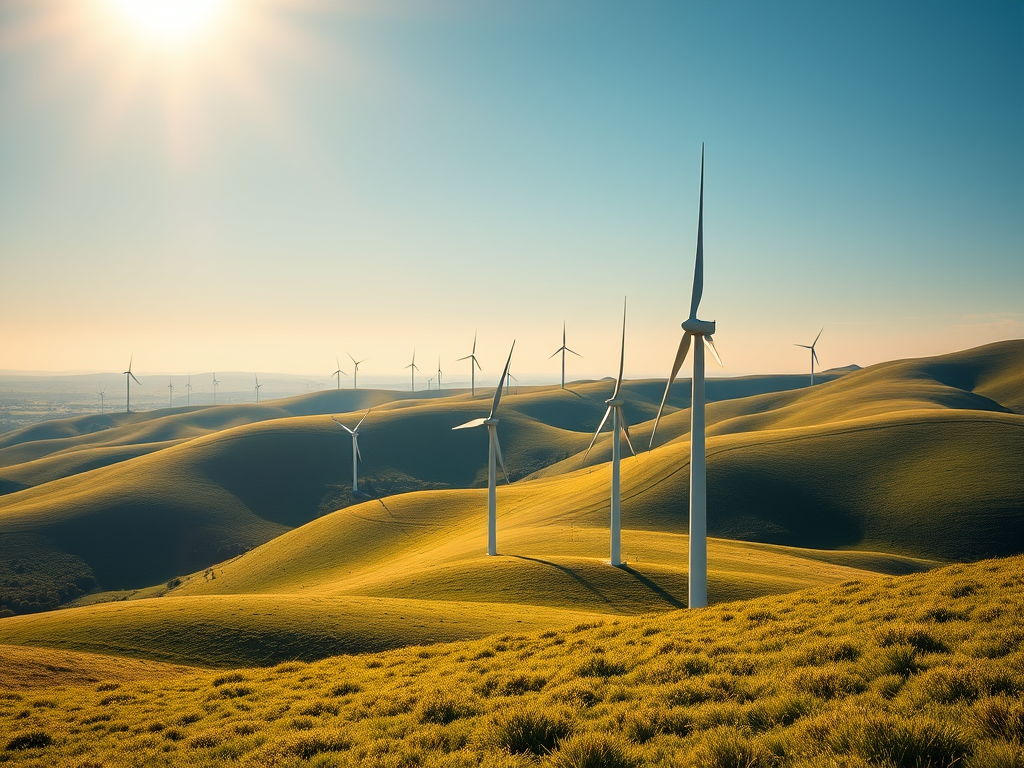
Green Servers and Eco Dreams
With great power (consumption) comes great responsibility. Server farms aren’t exactly known for being energy-efficient. In fact, they’re notorious energy hogs, consuming more electricity annually than some small countries.
To tackle this, many tech giants are turning to renewable energy. Google, for example, powers its data centres with wind and solar energy. Meanwhile, Microsoft has experimented with underwater server farms (yes, really) to reduce cooling costs and improve efficiency. The future of servers is looking greener than ever.
A Peek Into the Future
As the internet grows, so does the demand for server power. Artificial intelligence, virtual reality, and the Internet of Things are all upping the ante. But fear not—servers are evolving to keep up. Here’s what the future might hold:
Edge Computing: Instead of relying on massive central data centres, edge computing brings the servers closer to the user. This means faster processing times and less strain on the main hubs.
Quantum Computing: While still in its infancy, quantum computing promises to revolutionise data processing. Imagine a server farm powered by qubits instead of traditional bits—the speed and efficiency would be mind-blowing.
Self-Healing Servers: Picture this: a server detects a glitch and fixes itself without human intervention. Sounds like science fiction? It’s closer than you think.

Behind the Smile
Now that you know the nitty-gritty of how servers work, take a moment to appreciate their role in your digital life. These tireless machines ensure your memes load instantly, your messages get delivered, and your searches yield answers—all with a metaphorical smile.
So, next time you Google something utterly random at 2 a.m., spare a thought for the server farm working behind the scenes. These unsung heroes deserve a round of applause. Or at least a nod of appreciation.
And remember, if servers can handle billions of requests a day without losing their cool (literally), so can you tackle your daily to-do list. Because in the grand scheme of things, even the internet’s most complex operations boil down to one simple motto: keep calm and serve on.


 dragonferncopy.com